


Pinardin: Parental Control
4.640.00 Reviews
App Specs
- Version
- 2.5.0
- Updated On
- License
- Free
- Downloads
- 100,000+
- Developer
- Pinardin OÜ
- Categories
- Parenting
- Platform
- Android
Screenshots
 Analysis by AppCompare
When I first considered a parental-control app, I wanted something that could help me set clear boundaries without turning every device handover into an argument. Pinardin: Parental Control is designed for that kind of family routine: it brings screen-time management, content filtering and location tracking together in one parenting app. The useful question is not whether a tool can replace a conversation with a child—it cannot—but whether it can make everyday rules easier to apply consistently.
What to expect from the app
Pinardin is a free app from developer Pinardin, with optional in-app purchases ranging from $9.99 to $169.99 per item. It has a 4.8 average from around 15,000 ratings and more than 100,000 installs. It is rated for Everyone, and the current version is 2.3.4, with Android 7.0 as the minimum operating-system requirement. Those figures give a sense of its place in the parenting-app category, but they do not tell you whether its approach fits your household; the best test is whether its controls match the boundaries you already want to set.
The app’s central appeal is having several kinds of parental oversight in one place. Screen-time limits can support a regular stopping point, content filters can help reduce exposure to material you consider unsuitable, and location tracking can offer reassurance when a child is out. These tools are most useful when they support an agreed family plan. If a child understands why a limit exists, an alert or restriction is less likely to feel like an unexplained punishment.
Getting started without making it a family project
Setting up Pinardin: Parental Control was straightforward. The installation process was like a walk in the park. Once downloaded, it guided me through a simple setup, prompting me to create profiles for each child. This is super handy because, let’s be real, no two kids are the same, right?
The interface is clean and intuitive. I didn’t need a tech degree to figure it out, which is always a plus in my book. Within minutes, I was able to navigate through the various features without breaking a sweat. It’s clear that the developers put a lot of thought into making this user-friendly, especially for those of us who might not be tech-savvy.
For a first-time user, I would keep the first setup deliberately small. Start with one child’s profile and one rule you can explain in a sentence, such as when device time should end. Then check that the rule behaves as expected before adding more restrictions. This staged approach makes it easier to spot a setting that does not fit your routine, and it avoids asking your child to adapt to several new rules at once.
Before relying on location tracking or content filtering, decide as a family what each is meant to do. A location check might be for a walk home or a trip to an activity, rather than a reason to watch a child’s movements all day. Similarly, a filter is a safety net, not a substitute for talking about what to do when something upsetting appears online. Setting expectations early can make the technology feel like a shared safety measure instead of secret surveillance.
Worth Reading Before You Choose

Flipboard Shows What News Apps Must Do Beyond the Feed

Switching to Android Auto Means Rethinking Your Driving Routine

Google Calendar Makes a Crowded Week Easier to Manage

Ludo King Makes the Most of the Minutes Between Plans

Baby Panda World Brings Quick Play to Modern Phones, but Its Game Library Feels Busy

ESPN’s Live Game View Makes Following Close Games Easier
Using the controls in ordinary family life
I find the most useful way to judge these controls is to connect each one to a specific family need, rather than switching everything on because it is available. In this section, I’ll look at how screen-time boundaries, filtering and location checks can fit into ordinary routines, and where a lighter approach may work better.
Features that can make routines easier
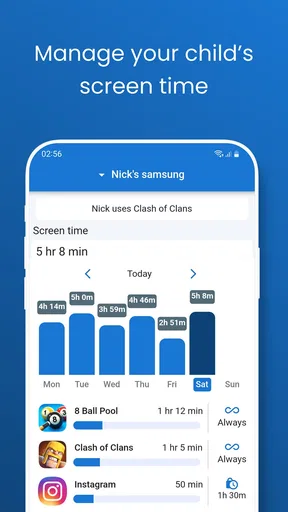
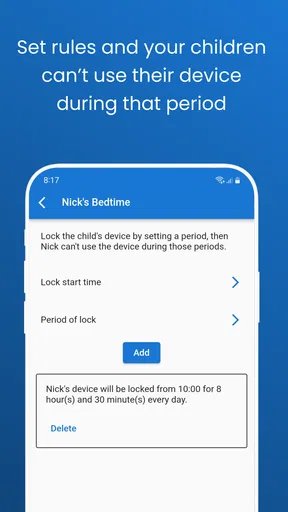
Now, onto the meat and potatoes: the features. One thing I loved was the app's ability to monitor screen time. It’s like having a digital nanny that doesn’t nag. You can set limits on how long your child can use their device, and the app will remind them when it's time to take a break. Handy, right?
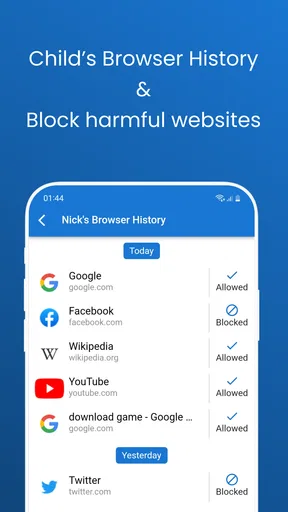
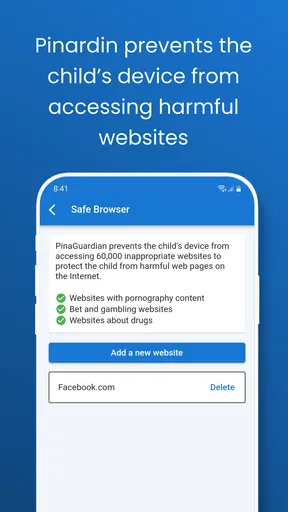
Another cool feature is the content filtering. With the internet being a vast ocean of information, knowing that Pinardin can block inappropriate content gives me peace of mind. You can customize filters based on age-appropriate settings, which is a lifesaver.
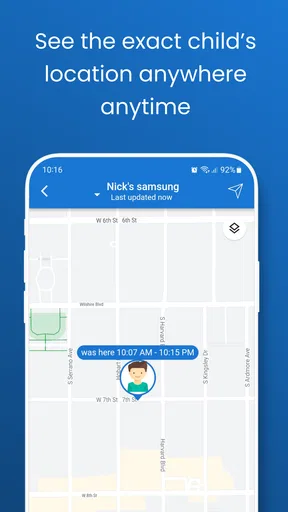
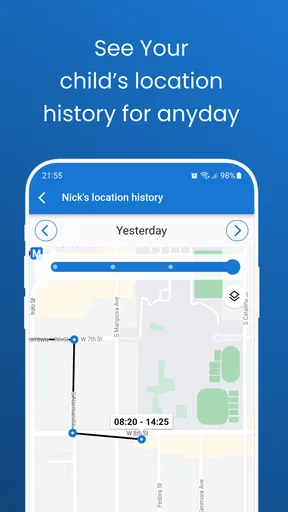
There’s also a location tracking feature. Now, I’m not talking about being a helicopter parent, but knowing where your kids are can be reassuring. The app provides real-time location updates, ensuring you always know your child’s whereabouts.
A practical first success is not turning on every control at once; it is seeing one agreed boundary work in a normal day. For example, a parent and child can decide that recreational device use ends before bedtime, set a suitable screen-time limit, and check together how the reminder fits the evening routine. If the child is stopping an activity midway, the family may need to choose a more realistic time or make the transition clearer. The point is to use the limit as a prompt for a routine, not as a surprise gotcha.
There is also a useful distinction between the three types of oversight. Screen-time controls address duration, filtering addresses some content exposure, and location tracking answers a different question: where a child is. One does not compensate for the others. A family mainly concerned about bedtime device habits may get more value from carefully chosen time rules than from frequent location checks; a parent coordinating an older child’s trip home may care more about location than content settings in that moment.
For a realistic weekday, imagine a child heading to an after-school activity and then using a phone at home. Location information can provide reassurance during the trip, while a screen-time boundary can help the evening wind down. I would treat those as separate, limited purposes and tell the child what to expect. That gives the parent a concrete way to use the app without making every part of the child’s digital life feel monitored.
Reliability, and what to check for yourself
In terms of performance, Pinardin: Parental Control runs smoothly. I didn’t experience any glitches or crashes, which is more than I can say for some apps I’ve tried. The updates are regular, ensuring that any bugs are squashed promptly. Plus, it doesn’t drain the battery like some other apps, which is crucial when you’re out and about.
Reliability is key when it comes to apps like these, and Pinardin doesn’t disappoint. The notifications are timely, and the alerts are accurate. I never felt out of the loop, which is exactly what you want from a parental control app.
Even when a control appears to work well, I would test it in a low-stakes situation before depending on it for an important moment. Try a screen-time reminder while you are nearby, and confirm that the child understands what it means. For location tracking, compare what the app shows with the situation you already know, rather than assuming that a phone’s position always tells the whole story. A device can be left behind, switched off or simply not be with the child, so a location indicator should support a check-in, not replace one.
Notifications are most helpful when they lead to a clear next step. If an alert arrives during work or school pickup, decide in advance whether it needs immediate attention or can wait until you are free. That small family agreement reduces the risk of reacting to every message as an emergency. It also makes it easier to keep the app in its proper role: useful support for caregivers, not a constant source of interruption.
Where the experience may feel restrictive
While the app is solid, there’s always room for improvement. I noticed that the initial setup might be a tad overwhelming for those not familiar with tech. A more detailed tutorial could help bridge the gap for first-timers.
Additionally, while the app offers a lot of features, it could benefit from a few more customization options. More personalized settings would make it even more appealing for parents with specific needs.
There is a broader trade-off here: a single app that combines multiple parental controls can be convenient, but it may not offer the depth or flexibility a household expects from a dedicated tool for one particular task. If you only want to set device-use limits, your phone’s built-in screen-time controls may be enough and may mean one less app to manage. If your priority is a very specific family rule, compare the available settings with that rule before building your routine around them.
It is also worth checking the purchase choices before committing to a paid option. The app is free to install, while in-app purchases are listed from $9.99 to $169.99 per item. I would first work out which functions your family will genuinely use, then decide whether any paid option is worthwhile. A high price ceiling does not mean every family needs to spend that amount, and a parent who only needs a basic routine should avoid paying for more than that routine requires.
Some families may not want location tracking at all, especially if a child is old enough to manage their own travel and the main concern is screen time. In that case, using fewer controls—or choosing a simpler alternative—may feel more respectful and less complicated. Conversely, a parent who needs detailed controls beyond the app’s approach should compare dedicated alternatives rather than assuming that combining several features automatically makes one product the best fit.
Children’s ages and temperaments matter, too. A younger child may benefit from simple, predictable limits, while an older child may respond better to negotiated rules and occasional check-ins than to constant tracking. I would explain what is being monitored, why, and when a parent plans to check it. That conversation is not an extra feature, but it is often what determines whether parental controls build trust or create friction.
Choosing a sensible next step
Pinardin is best suited to parents who want screen-time boundaries, content filtering and location information gathered within one parenting app, and who are willing to discuss those controls openly with their child. Its combination can be particularly helpful when caregivers want a shared routine rather than separate tools for each concern. I would be more cautious about recommending it to families who prefer not to track location, want highly specific customization, or already have a simple system that works well.
After setting up the first rule, give it a few ordinary days before changing several settings. Notice whether the screen-time reminders arrive at a useful point, whether the filter matches your family’s expectations, and whether location checks are genuinely reassuring rather than habitual. Adjust one thing at a time. This makes it easier to tell which setting is helping and which is adding work.
Parents often wonder whether they need to keep the app open for it to be useful, whether it can replace a conversation about online safety, or whether every child should have the same rules. I would treat it as a tool for managing agreed boundaries, not as a replacement for discussion; rules should reflect each child’s age and circumstances rather than being copied automatically across profiles. For day-to-day dependability, test the controls and notifications in your own routine before relying on them, and make sure both parent and child know what the app is being used to support.
All in all, Pinardin: Parental Control is a fantastic tool for parents wanting to keep an eye on their child’s digital footprint. It’s user-friendly, reliable, and packed with features that make parenting in the digital age a bit less daunting.
If you’re looking for an app that offers peace of mind and helps you manage your child’s screen time effectively, give Pinardin a shot. It’s like having an extra set of eyes on your kid’s digital adventures, and who wouldn’t want that?
Pros
- User-friendly interface
- easy to navigate.
- Comprehensive activity tracking features.
- Customizable time limits for apps.
- Real-time location tracking available.
- Supports multiple child profiles.
Cons
- Limited features in the free version.
- Can drain device battery quickly.
- Requires stable internet connection.
- Occasional sync issues reported.
- Some features lack detailed customization.
FAQs for Pinardin: Parental Control
What is Pinardin: Parental Control and how does it work?
Pinardin: Parental Control is an app designed to help parents manage and monitor their children's device usage. The app allows you to set screen time limits, block inappropriate content, and track app usage. It works by connecting your child's device to your account, giving you control over what they can access and for how long.
Is Pinardin: Parental Control secure and private?
Yes, Pinardin is designed with security and privacy in mind. All data is encrypted, ensuring that your child’s information remains confidential. The app does not store personal data on external servers, and parents have full control over what is monitored and shared, ensuring peace of mind for families.
Can I use Pinardin: Parental Control on multiple devices?
Absolutely. Pinardin allows you to monitor multiple devices from a single account, making it ideal for families with several children. You can set individual controls and limits for each device, ensuring that each child receives the appropriate level of supervision and guidance according to their age and needs.
Does Pinardin: Parental Control offer any customization options?
Yes, Pinardin provides a range of customization options to suit your family’s needs. You can set specific screen time limits, choose which apps and websites are accessible, and receive detailed reports on your child’s device usage. Custom alerts can also be configured to notify you of any unusual activities.
Is there a cost associated with using Pinardin: Parental Control?
Pinardin offers both free and premium versions. The free version includes basic features like screen time tracking and app blocking. For more advanced features such as detailed activity reports and custom alerts, you can upgrade to the premium version, which requires a subscription. Pricing details are available on the app’s download page.


